
Learn Healthy Cooking Methods Today
Discover proven cooking techniques that preserve nutrients, enhance flavors, and make healthy eating simple. Our comprehensive guides cover everything from steaming and poaching to slow cooking and sous vide methods.
The information on this site is for educational purposes only and does not constitute medical advice. Always consult a qualified healthcare professional before making health decisions.
Browse by Cooking Method Category
Complete Healthy Cooking Methods Library

Steaming
Preserve maximum nutrients by cooking vegetables, fish, and grains above boiling water. Steam rising gently cooks food while retaining color, texture, and water-soluble vitamins that other methods may deplete.
Best for: Broccoli, carrots, salmon, chicken breasts, rice, and delicate leafy greens.
Learn more →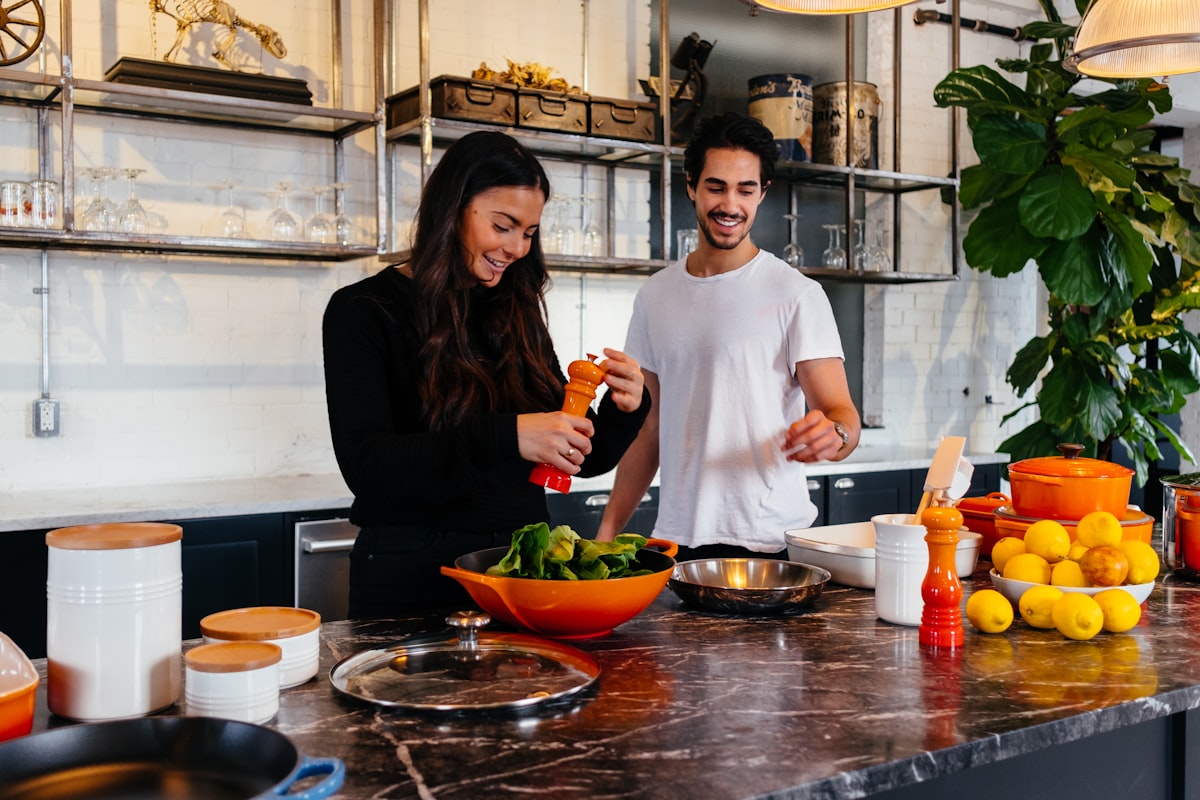
Poaching
Cook delicate proteins in simmering liquid—broth, wine, or water—for tender results without added fats. This gentle method keeps food moist and allows infusion of herbs and aromatics for complex flavors.
Best for: Fish fillets, chicken breasts, eggs, pears, and shellfish in stock-based sauces.
Learn more →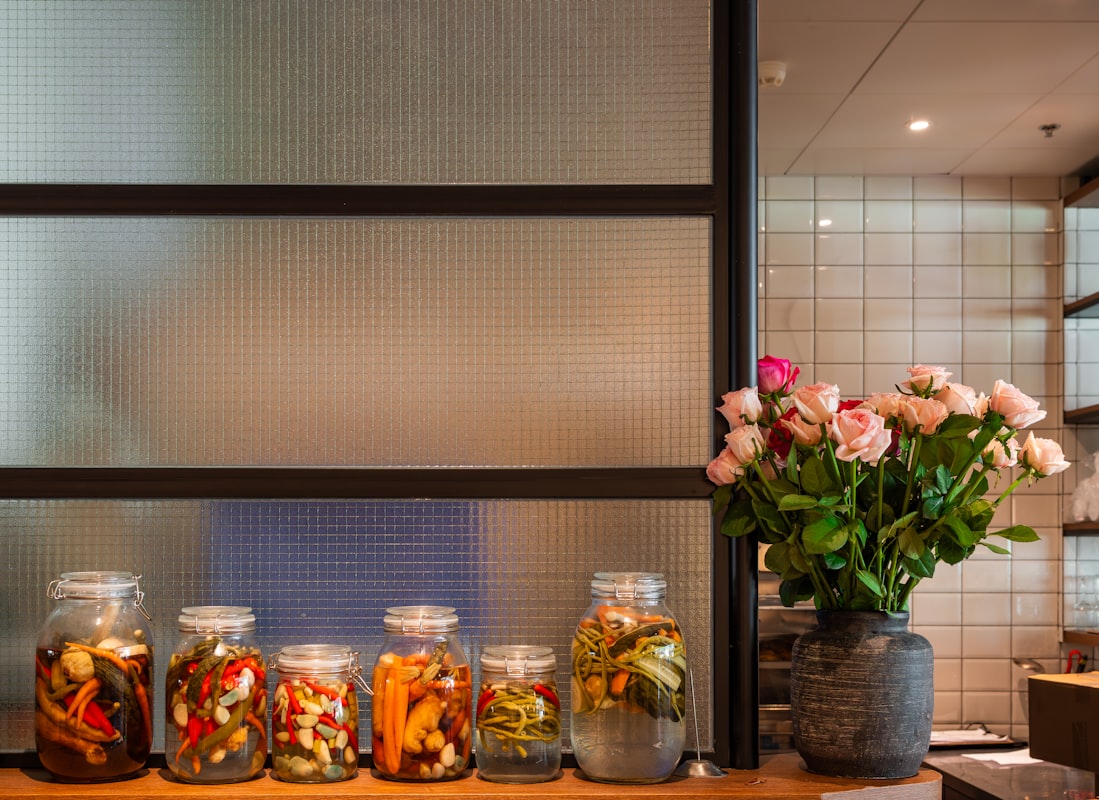
Boiling
Immerse food in hot water for quick, even cooking. While boiling can leach water-soluble nutrients, it works well for pasta, legumes, and root vegetables when cooking water is kept for soups or sauces.
Best for: Pasta, lentils, potatoes, beans, corn, and leafy greens like spinach.
Learn more →
Roasting
Use dry, even heat in an oven to develop caramelized exteriors and concentrated flavors. Roasting brings out natural sweetness in vegetables and creates savory crusts on proteins with minimal added oil.
Best for: Root vegetables, bell peppers, chicken, fish, nuts, and seeds at 400-450°F.
Learn more →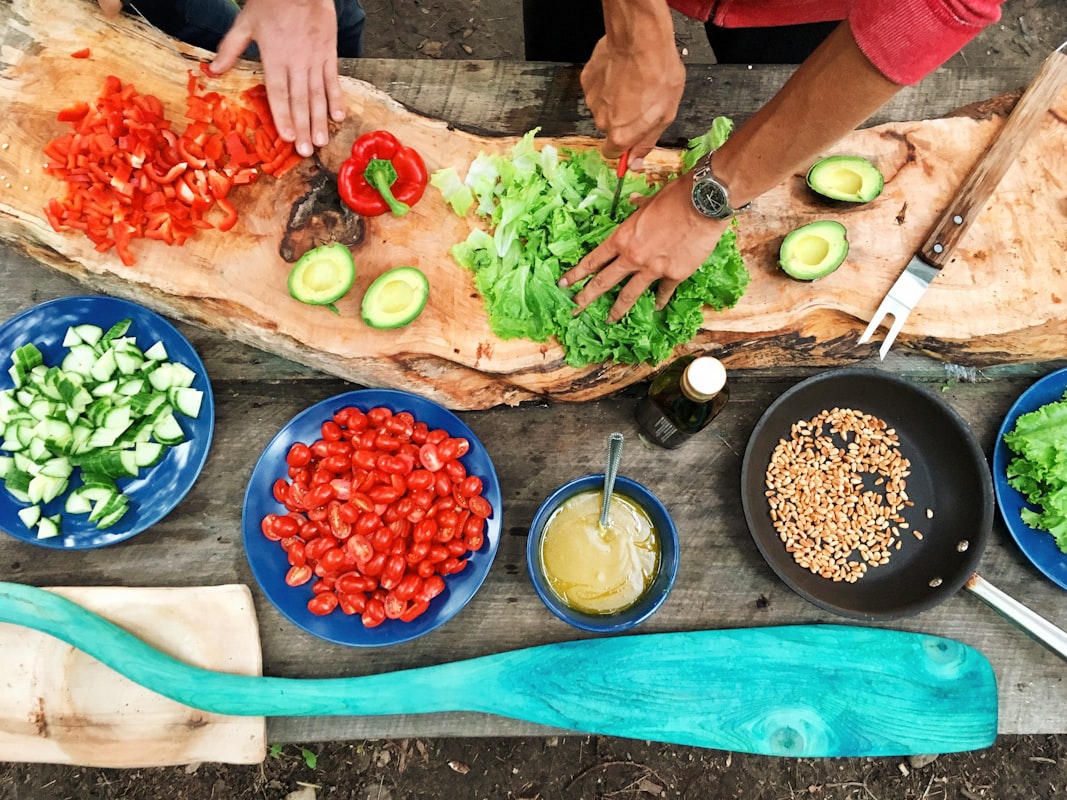
Grilling
Cook over direct heat—charcoal, gas, or wood—to create distinctive grill marks and smoky depth. Grilling allows excess fats to drip away naturally while adding complex, savory notes without extra seasoning.
Best for: Lean meats, fish steaks, vegetables, tofu, and fruits like pineapple and peaches.
Learn more →
Slow Cooking
Cook low and slow (200-280°F) for 4-8 hours to tenderize tough cuts and develop deep, layered flavors. Slow cooking breaks down collagen into gelatin while retaining most nutrients in the cooking liquid.
Best for: Tough meat cuts, beans, root vegetables, and bone broths.
Learn more →
Stir-Frying
Cook quickly in a hot pan or wok with minimal oil, stirring constantly to keep food crisp and vegetables bright. High-heat, short cooking preserves nutrients and creates a balance of tender interiors and firm texture.
Best for: Sliced vegetables, lean meat strips, tofu, and quick proteins over high heat.
Learn more →
Sous Vide
Vacuum-seal food and cook in precisely controlled water at 130-185°F for perfectly even doneness throughout. This modern technique minimizes nutrient loss and allows advance meal preparation with consistent, professional results.
Best for: Tender proteins, firm fish, root vegetables, and batch meal prep for the week.
Learn more →Why Master These Cooking Methods
Choosing the right cooking method directly impacts both the nutritional value and taste of your meals. Different techniques preserve different nutrients and develop unique flavors, giving you flexibility to create delicious, nourishing dishes every day.
- ✓ Preserve Nutrients: Moist heat methods like steaming retain heat-sensitive vitamins better than prolonged high-heat cooking.
- ✓ Enhance Flavors: Dry heat methods like roasting and grilling develop deep, satisfying tastes without extra salt or fat.
- ✓ Cook Less Oil: Techniques like grilling and steaming need minimal added fat, reducing overall calories naturally.
- ✓ Save Time & Energy: Stir-frying and pressure cooking get dinner ready quickly, while slow cooking makes tough cuts tender.
- ✓ Reduce Food Waste: Understanding methods helps you choose the best technique for each ingredient, minimizing spoilage.
How to Start Mastering These Methods
Choose Your Starting Method
Begin with one technique that matches your current equipment and cooking comfort level. Steaming and boiling require only basic pots, while grilling and sous vide need specific tools. Pick what feels accessible first, then expand.
Learn the Fundamentals
Read detailed guides on temperature, timing, and proper technique. Understanding the science behind each method—why oil smokes at certain temperatures, when steam penetrates fastest—builds confidence and prevents common mistakes.
Practice with Simple Recipes
Start with basic recipes—steamed broccoli, roasted carrots, grilled chicken—to build muscle memory and develop an intuition for doneness. Repetition with simple dishes teaches you how food behaves under different conditions.
Combine Methods & Innovate
Once comfortable, combine techniques—sear protein first, then finish slow-cooking, or roast vegetables then add to a quick sauce. Layering methods creates restaurant-quality depth and keeps meals interesting month after month.
Questions About Healthy Cooking Methods
Which cooking method preserves the most nutrients? +
Steaming and pressure cooking are excellent for preserving water-soluble vitamins (B-vitamins, vitamin C) because food doesn't contact boiling water directly. Roasting and grilling are best for fat-soluble vitamins (A, D, E, K) since they don't leach into cooking liquid. The key: keep cooking time as short as possible and temperatures moderate unless specifically aiming for browning.
Can I cook healthy without oil? +
Yes—steaming, boiling, poaching, and slow cooking require no added oil. Grilling lets fats drip away naturally. Stir-frying uses minimal oil because the high heat makes small amounts go far. Roasting at high heat can work oil-free for most vegetables, though a small amount helps with even browning. Sous vide also needs no added fat. Cooking oil is not inherently unhealthy; the issue is excess quantity rather than the method.
What equipment do I need to start? +
A single large pot with a lid covers steaming, boiling, poaching, and slow cooking. Add a sheet pan and standard oven for roasting. A skillet handles stir-frying and searing. If you grill, a basic charcoal or gas grill works well. Sous vide requires an immersion circulator (affordable on budget) and vacuum bags or ziplock bags. You don't need specialty equipment to start—master methods with what you have, then invest as interests develop.
How do I know when food is properly cooked? +
Use visual cues (color change, firmness), a meat thermometer for proteins (160°F poultry, 145°F fish, 160°F ground meat), and the fork-tender test for vegetables and slow-cooked meats. Time is a guide, not a rule—thickness, oven calibration, and starting temperature all vary. Invest in a basic instant-read thermometer for accuracy, especially with proteins where consistency matters for safety.
Can I meal-prep using these methods? +
Absolutely. Roasting vegetables, slow-cooking proteins, and pressure-cooking grains are ideal for Sunday meal prep—they keep for 3-5 days refrigerated. Sous vide is excellent for batch cooking proteins that refrigerate or freeze beautifully. Avoid steaming and boiling for prep since these methods produce softer textures that degrade with storage. Grill items fresh, or grill ahead and reheat gently in a pan or oven.
What's the difference between steaming and boiling? +
Steaming suspends food above boiling water so it cooks in steam rather than touching liquid—this preserves more water-soluble nutrients and flavor. Boiling fully submerges food in hot water, cooking faster but leaching some vitamins and minerals into the water. For vegetables and delicate proteins, steaming is gentler. For pasta and legumes, boiling works well because cooking liquid is eaten or saved for soup.
Our guides reference nutritional science and practical kitchen testing to explain how methods affect food quality and nutrient retention.
Every article includes step-by-step instructions, temperature guidelines, timing ranges, and troubleshooting tips for real-world cooking success.
Our editorial team regularly reviews research and adds new techniques, seasonal recipes, and reader feedback to keep content current and useful.
Ready to Transform Your Kitchen?
Explore our complete collection of healthy cooking guides, try recipes that match your favorite methods, and develop the skills to cook nutritious meals confidently every single day.
Based in Austria | Editorial queries: [email protected]